
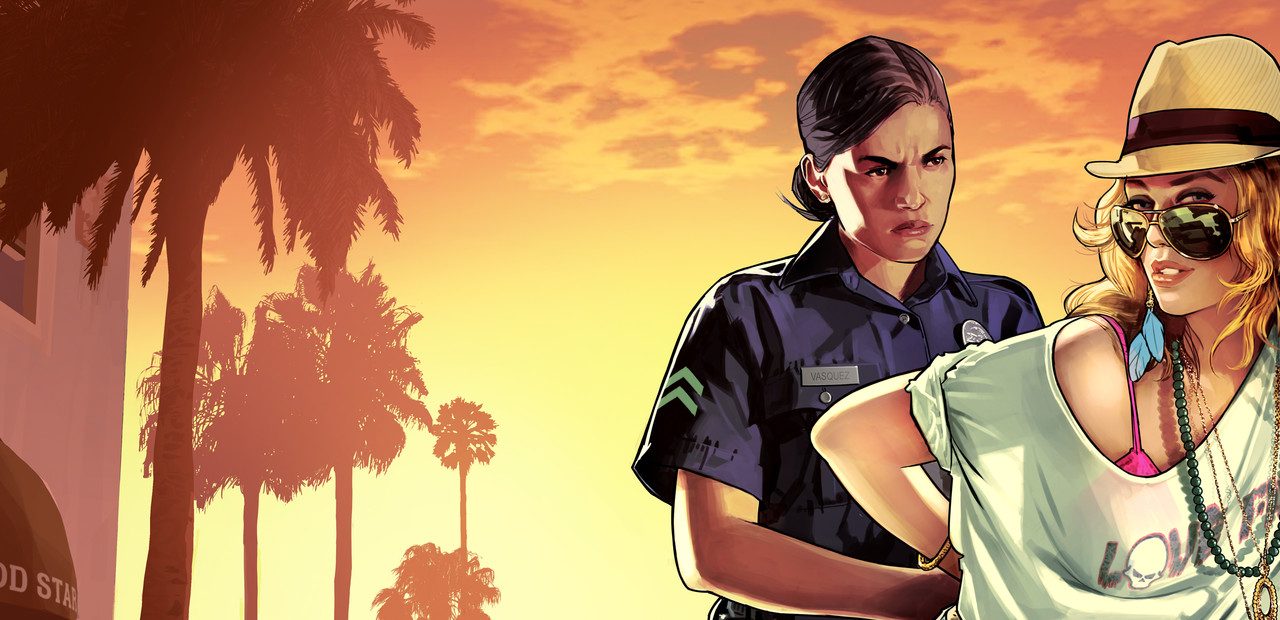
Lisa Nandy, the UK’s secretary of state for digital, culture, media, and sport, has said that Grand Theft Auto 6 is “something that we can be really proud of,” a line that would have sounded impossible during the franchise’s most controversial years. Speaking to The Rundown, she linked Rockstar’s next open-world game to jobs, creative skills and the wider UK arts economy.
Nandy said her own gaming tastes run to Animal Crossing and the Mario series, and she joked that she was “not sure” she could get away with taking a day off to play. But her larger point was about the value of the industry behind games like GTA 6, which she described as drawing on a wide range of creative work.
“I think it’s something that we can be really proud of,” she said, while arguing that investment in arts, music and related sectors helps create richer lives and more jobs. She said a game of GTA’s scale needs animators, musicians and many other people from across the creative industries, and asked why those jobs should not go to young people in UK communities.
Her comments fold Grand Theft Auto 6 into a broader pitch about the creative economy. Nandy’s argument was not just that Rockstar makes popular entertainment, but that a major game production depends on the same skills that support film, music and other cultural industries. In her view, the UK should want local workers to have access to that kind of employment.
From a scandal magnet to a government talking point
The contrast with the early 2000s is stark. Grand Theft Auto was once treated by many politicians and commentators as a symbol of everything supposedly wrong with videogames, especially during the uproar over the Hot Coffee mod for Grand Theft Auto: San Andreas. At the time, calling GTA a legitimate cultural export was not the sort of thing that invited praise from mainstream Western politicians.
PC Gamer also points back to the broader climate of the 1990s and 2000s, when US lawmakers such as Joe Lieberman were associated with efforts to ban violent videogames. That wave of fear and political pressure was part of the reason GTA became such a frequent target in public debate. It was not until the US Supreme Court ruled that videogames, like other creative works, are protected speech under the First Amendment that the pressure began to ease in a meaningful way.
That history makes Nandy’s tone notable. Rather than treating GTA 6 as a cultural problem, she is speaking about it in terms of industry, pride and employment. The series still carries its reputation for excess and controversy, but the public conversation around it has clearly changed.
“something that we can be really proud of”
“I am an avid addict of things like Animal Crossing and the Mario series”
“we are creating jobs in these incredible industries”
The shift is easy to see when set beside the old panic. The same franchise that once triggered outrage is now being discussed by a senior UK minister as part of the country’s creative economy. That does not erase GTA’s long history of provocation, but it does show how much the language around videogames has softened.
GTA 6 has become a wider cultural reference point
Nandy’s comments also land at a moment when Grand Theft Auto 6 has become one of the most talked-about games in the industry. Attention around Rockstar’s next release has spilled well beyond the usual preview cycle, with discussion ranging from distribution and pre-orders to legal threats around AI cloning and speculation about how the game will affect the market when it launches.
That wider interest helps explain why a question about GTA 6 can turn into a statement about public policy. The game is no longer just being watched as a blockbuster sequel; it is also being used as shorthand for the size of the modern games business and the kinds of jobs it supports. For a culture secretary, it is a convenient example of how arts funding, music, animation and game development overlap.
PC Gamer says the moment is a remarkable turnaround from the era of Hot Coffee and moral panic. It notes that the franchise is now being spoken about in the same breath as sports crossovers, music tie-ins and other signs that GTA has become embedded in mainstream culture. The series is still controversial, but the conversation around it now includes official praise as well as criticism.
That is the real significance of Nandy’s remarks. A politician who once might have treated Grand Theft Auto as a problem is now holding it up as evidence of cultural strength and economic value. On her telling, GTA 6 is not just a huge game in waiting; it is proof that videogames are part of the creative industries the UK wants to promote.
In that sense, her comments capture how far the series has moved from the days when public officials treated it as a threat. The language has changed, the politics have changed and the industry has changed with them, leaving GTA 6 standing at the center of a very different debate than the one its predecessors faced.
Honestly, this is the first time a senior UK minister talking about GTA feels normal. The series has gone from moral panic bait to a serious creative-industry example.
Normal, or just convenient?
Animal Crossing and Mario lol
bro she can like Mario and still know GTA has value, no?
yeah fair, just funny
Her point about jobs is the part that matters to me. A game this big does not just mean one studio in one building, it pulls in music, animation, design and a whole chain of people. That is a lot different from how GTA used to be talked about back in the Hot Coffee days. It is a pretty big swing in public tone.
next they’ll say doing heists builds character and teamwork. but yeah, compared to the old ‘videogames are evil’ routine, this is almost wholesome corporate language.
not wholesome, just PR
Fair, but I’ll take it
Hot take: calling GTA 6 a pride point is fine, but it also gives politicians a free pass to pretend the industry is healthy while workers still deal with crunch and publishers chasing hype. The shiny export talk always shows up right before they ignore the ugly parts. Jobs matter, sure, but so do conditions.
bit harsh, mate
harsh maybe, but when has a minister ever praised the people actually making the thing instead of the logo? they love the headline and then act shocked when devs talk about overtime. if the industry is such a win, where’s the part where workers get treated like the asset too?
Hot Coffee flashback
so is this basically the UK saying GTA is good for the economy now? feels like a huge turnaround from the old noise around it.
yes, but it was already happening for years. the question is why it took so long for politicians to say it out loud.
i think both are true though. the industry has spent years becoming harder to dismiss, and GTA is one of the easiest examples because everyone knows the name. still, politicians usually only show up once something is already safe enough to praise. that is why it feels late rather than brave.
kinda wild that GTA is now being used as a clean example of culture when the series built its name on pushing buttons. public perception really does patch over time
the bit about arts, music and animation lining up with games is the most believable part to me. big productions have been cross-discipline forever, people just notice when the title is GTA
It changes perception more than policy, but that still matters. Once a minister says it out loud, it gets harder to treat games as a toy industry. I just would not confuse praise for actual support until the money and training programmes show up.
obvious, really
do you think this kind of praise actually changes anything for us, or is it just talk before launch? i know better than to expect miracles from publishers.