
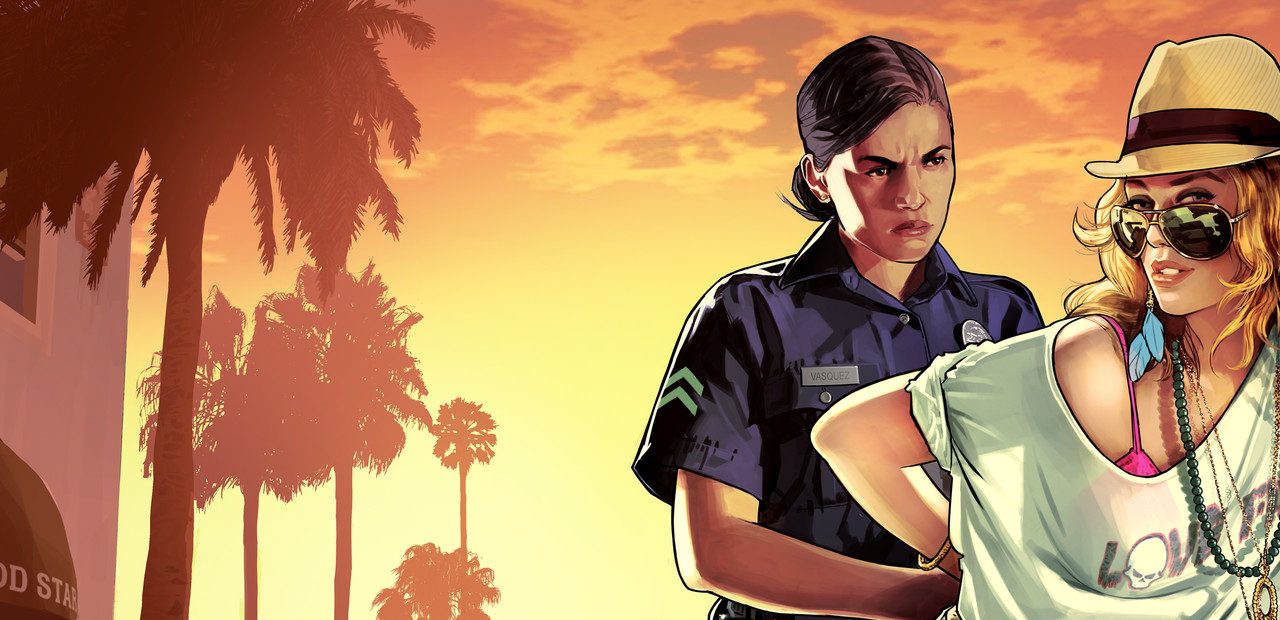
Miami-Dade Sheriff Rosie Cordero-Stutz is no longer framing her criticism of Grand Theft Auto 6’s Florida-themed promotion as a blanket objection. After raising concerns in September about GTA 6 being marketed around Miami, her office now says the problem was the use of public facilities and infrastructure, not private organisations such as the NBA’s Miami Heat, which has joined a Vice City campaign at the Kaseya Center.
The shift comes as Rockstar and publisher Take-Two Interactive keep leaning into the real-world inspiration behind Grand Theft Auto 6. Vice City and Leonida, the game’s fictional city and state, are based on Miami and Florida, and local promotions have been built around that link as the game’s console release gets closer. Cordero-Stutz’s earlier objection was unusually direct. She said, “Grand Theft Auto is a videogame franchise built around criminal activity,” and pointed to the series’ fictional murder, robbery, drug trafficking, carjacking and violence against law enforcement as conduct Miami-Dade should not promote.
Miami Beach approved a cautious campaign, then the Heat went bigger
That criticism did not stop the branding push. The City of Miami Beach voted in September to approve what it called a “discreet” campaign. At the same time, the Kaseya Center, the downtown Miami arena that serves as home of the Miami Heat, took a far more visible route by placing a huge “Welcome to Vice City” sign on its roof. The sign can be seen by travellers flying into Miami International Airport.
The arena campaign became even more prominent in October when the Heat joined the effort through Night in Vice City, a one-night-only promotion that will rebrand both the team and the arena in Vice City livery. The Heat is one of the NBA’s highest-profile teams, so its involvement pushed the campaign well beyond the earlier city-level branding and into a much broader public spotlight.
Miami Beach Commissioner Monica Matteo-Salinas backed the collaboration with a blunt defence during the debate: “We’re not giving away pistols and cocaine to people.” Her argument reflected the split in local reactions, with some officials treating the campaign as harmless marketing and others focusing on the crime-heavy image attached to Grand Theft Auto.
The sheriff’s office says the objection was about public property
Asked about the Heat’s involvement, a sheriff’s department representative told PC Gamer that Cordero-Stutz’s earlier comments were aimed at public assets, not private promotional choices.
“Her concerns addressed the message conveyed through the use of these public assets.”
The representative added that those comments “were not directed at promotional decisions by private businesses or organizations.” The office’s explanation draws a line between public property such as transit stations, public transportation and Miami International Airport, and a private team and arena choosing to lean into the Vice City theme.
That distinction matters because the public-facing campaign has already spread across different parts of the city. The Miami Beach approval will be handled by Boucher Brothers, a Florida hospitality management company. Its advertising materials will appear on Boucher Brothers chairs and umbrellas rather than on city property, although those items may still be placed on city land. The article notes that the effort is built around a boundary that sounds neat in theory and much messier in practice.
Even so, the mood is nowhere near the old Grand Theft Auto panic cycles. The article contrasts the current debate with the harsher anti-GTA rhetoric that once defined public discussion during the Jack Thompson era. Here, the fight is not over whether the game exists or whether its branding can be used at all. It is over which spaces can carry that branding and which institutions are comfortable putting their names behind it.
That has produced a strangely split response. On one side, Cordero-Stutz’s office objected to public promotion of a videogame tied to crime. On the other, Miami’s private and semi-private partners have moved ahead with Vice City signage, rebrands and beach materials. One city commissioner even said an officer he spoke to laughed off concerns about the effect of the campaign on the city.
Rockstar’s own Florida research work has already been part of the wider GTA 6 conversation, and GAMER2GO previously reported on Florida research trips with cops and gang members. This latest dispute shows how the game’s setting has spilled into local marketing, where Miami businesses and officials are using the same Vice City identity that drew the sheriff’s criticism in the first place.
For Miami-Dade, the result is a narrower but still uneasy position: the sheriff’s office is willing to separate public facilities from private branding, but the larger campaign still hinges on the same slogan and the same location. Miami is being sold as Vice City, whether the sign sits on an arena roof, a beach chair or a city-owned transit point.
“Welcome to Vice City” on a roof is wild
branding a whole arena feels more gta than the actual trailer lol. the sign on the roof is basically free marketing for rockstar at this point
yeah, that roof sign is doing the job for them. i was mostly laughing at the idea that the problem stops being a problem once a private team does it, even if everyone still sees the same Vice City branding
roof ad got max respawn energy
The part about the sheriff only objecting to public assets makes a lot more sense than the original blanket criticism. Once the Heat and the arena got involved, it turned into a branding fight instead of a game panic.
right, and that distinction is probably why they backed off a bit. public transit and airport branding hits different than a private arena choosing the theme on its own.
that airport sightline is crazy
missed my flight and saw it last week
ive had teammates in valorant ask if the map was based on real miami after seeing the vice city stuff. rockstar really does turn one logo into a whole conversation
i remember when fortnite did the bigger collab stuff and suddenly every sign in-game felt like a billboard. this sounds the same, just with a real city doing it instead of epic
same vibe yeah
I get the comparison, but Fortnite collabs are usually obviously fictional. Here the weird part is that Miami itself is helping sell the Vice City look, so it blurs the line between marketing and local identity. That’s a lot messier than just putting a skin on a billboard.
do you guys think the sheriff is actually backing off, or just narrowing the wording so she doesnt look anti-gta?